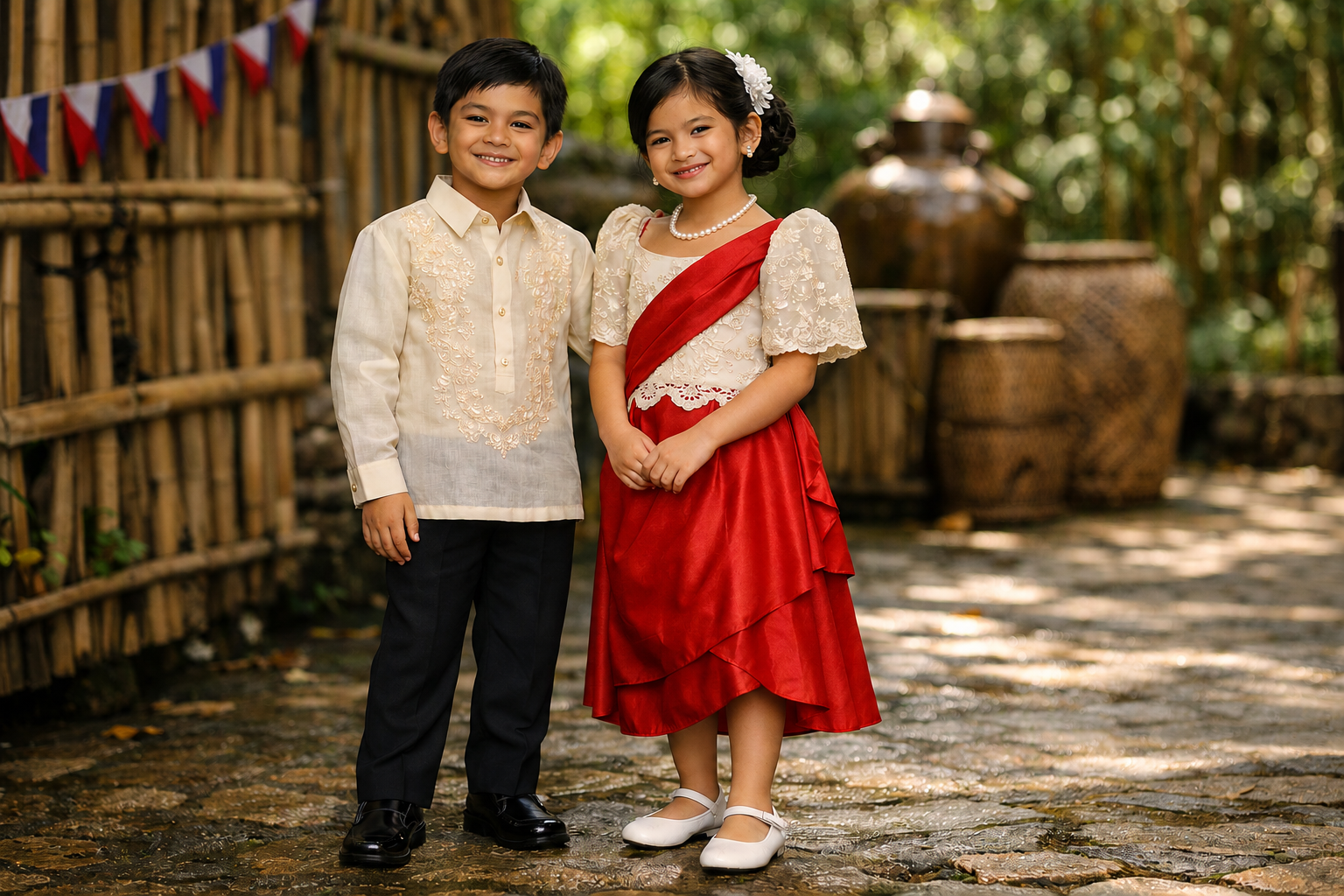
Every August, schools across the Philippines celebrate Buwan ng Wika, a month-long observance dedicated to promoting the Filipino language, culture, history, and identity. One of the most anticipated activities is the Buwan ng Wika costume parade, where children dress as Filipino heroes, traditional community members, literary characters, or iconic Filipino professions.
While these celebrations are exciting for children, they can also be stressful for parents—especially those balancing work, household responsibilities, and school requirements. Finding a costume at the last minute or spending thousands of pesos on custom-made outfits isn't always practical.
The good news is that creating a memorable Buwan ng Wika costume doesn't have to be expensive or complicated. Many of the best costume ideas can be assembled using clothing you already own, recycled materials, or affordable accessories from local stores.
In this guide, we've rounded up 15 fun, creative, and easy Buwan ng Wika costume ideas that are perfect for busy parents. These ideas are budget-friendly, simple to prepare, educational, and sure to help your child proudly celebrate Filipino heritage.
Why Parents Are Choosing Simple DIY Buwan ng Wika Costumes
In recent years, many schools have encouraged creativity instead of expensive costumes. Parents are embracing DIY ideas because they:
Save money
Reduce preparation time
Encourage creativity
Teach children about Filipino culture
Promote sustainability through recycled materials
Allow children to stay comfortable throughout school activities
Remember, the goal isn't to have the most expensive costume—it's to help children appreciate the rich traditions and history of the Philippines.
1. Traditional Barong Tagalog
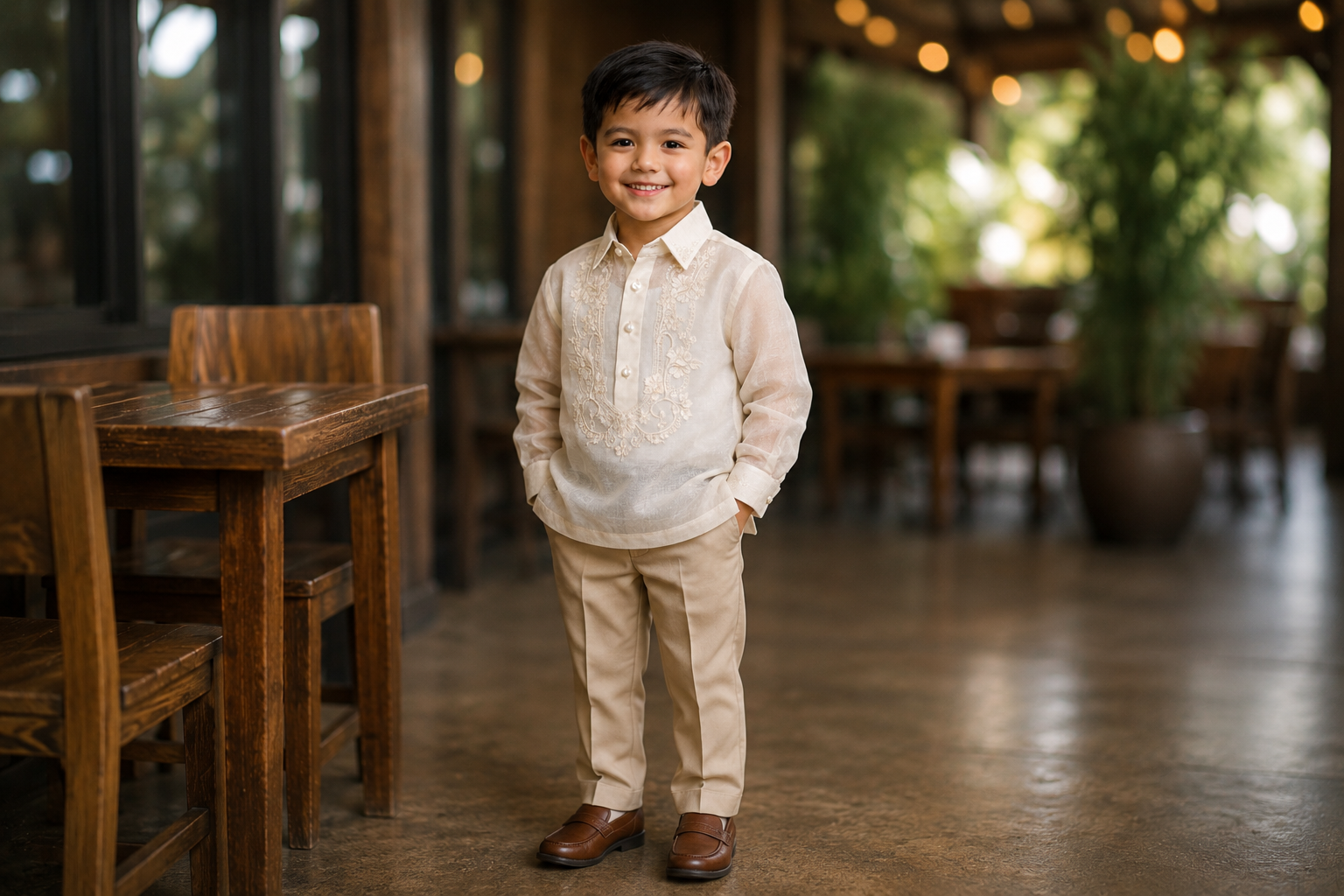
The Barong Tagalog is one of the most timeless and elegant choices for boys during Buwan ng Wika. Recognized as the Philippines' national attire for men, it symbolizes Filipino pride, craftsmanship, and heritage. Because many Filipino families already own a Barong for weddings, graduations, or formal occasions, this costume is often the easiest to prepare.
Pair the Barong with black slacks, polished shoes, and neatly combed hair for a clean and classic appearance. If your child is participating in a speech or classroom presentation, carrying a small Philippine flag or a book about Filipino culture can make the costume even more meaningful.
You'll Need:
Barong Tagalog
Black trousers
Black shoes
Optional: Philippine flag or name tag
Preparation Time: 5–10 minutes
2. Filipiniana Dress
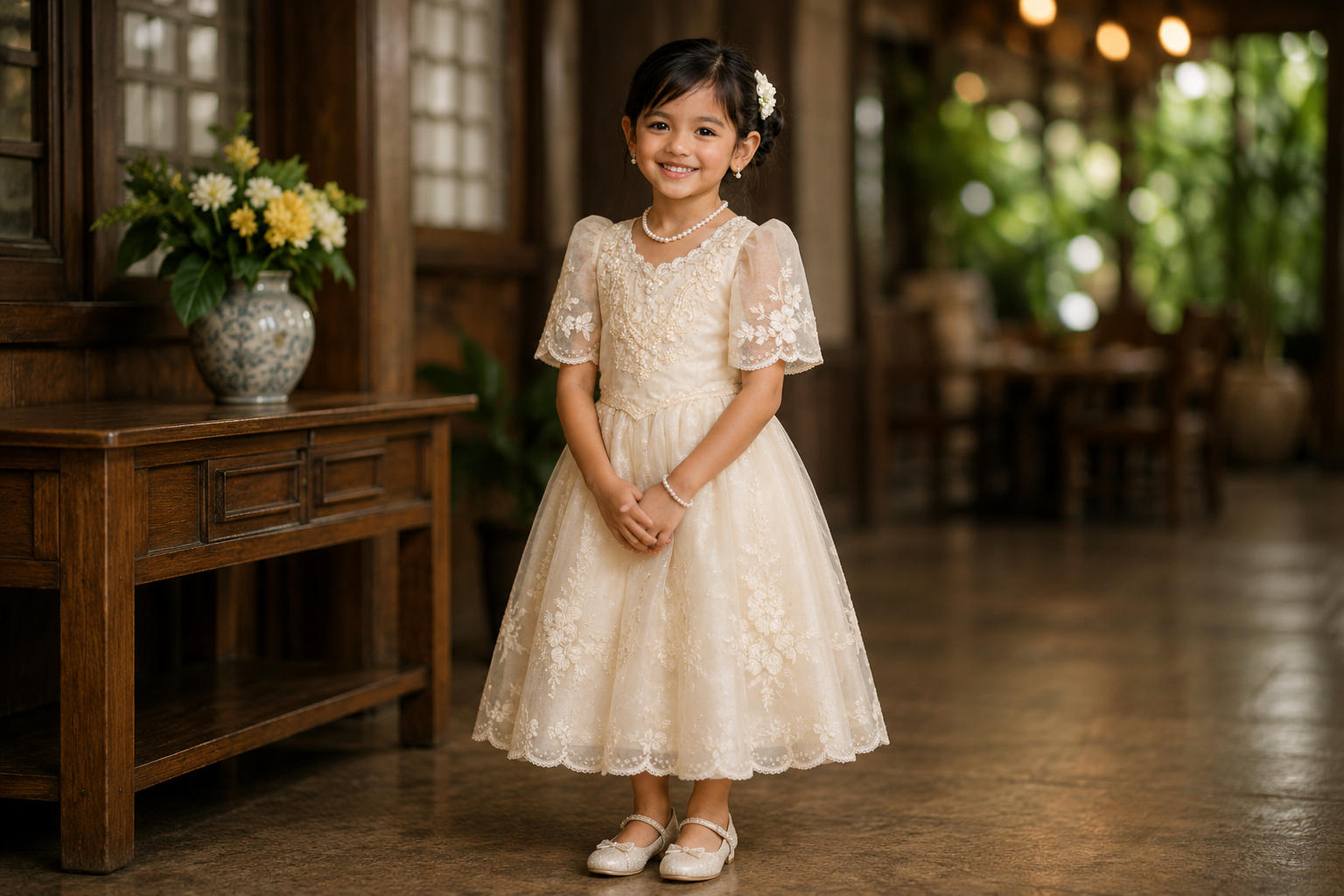
A Filipiniana dress is one of the most elegant costume choices for girls. Its iconic butterfly sleeves and flowing silhouette represent traditional Filipino fashion and are commonly worn during national celebrations and formal events.
Complete the look with a simple hair bun, pearl accessories, and a decorative hand fan (pamaypay). If buying a Filipiniana dress isn't practical, consider borrowing one from relatives or renting one from a local costume shop.
This costume is perfect for school programs, cultural dances, and Buwan ng Wika parades because it is instantly recognizable and celebrates Filipino tradition beautifully.
You'll Need:
Filipiniana dress
White shoes
Pamaypay
Hair accessories
3. Dr. Jose Rizal
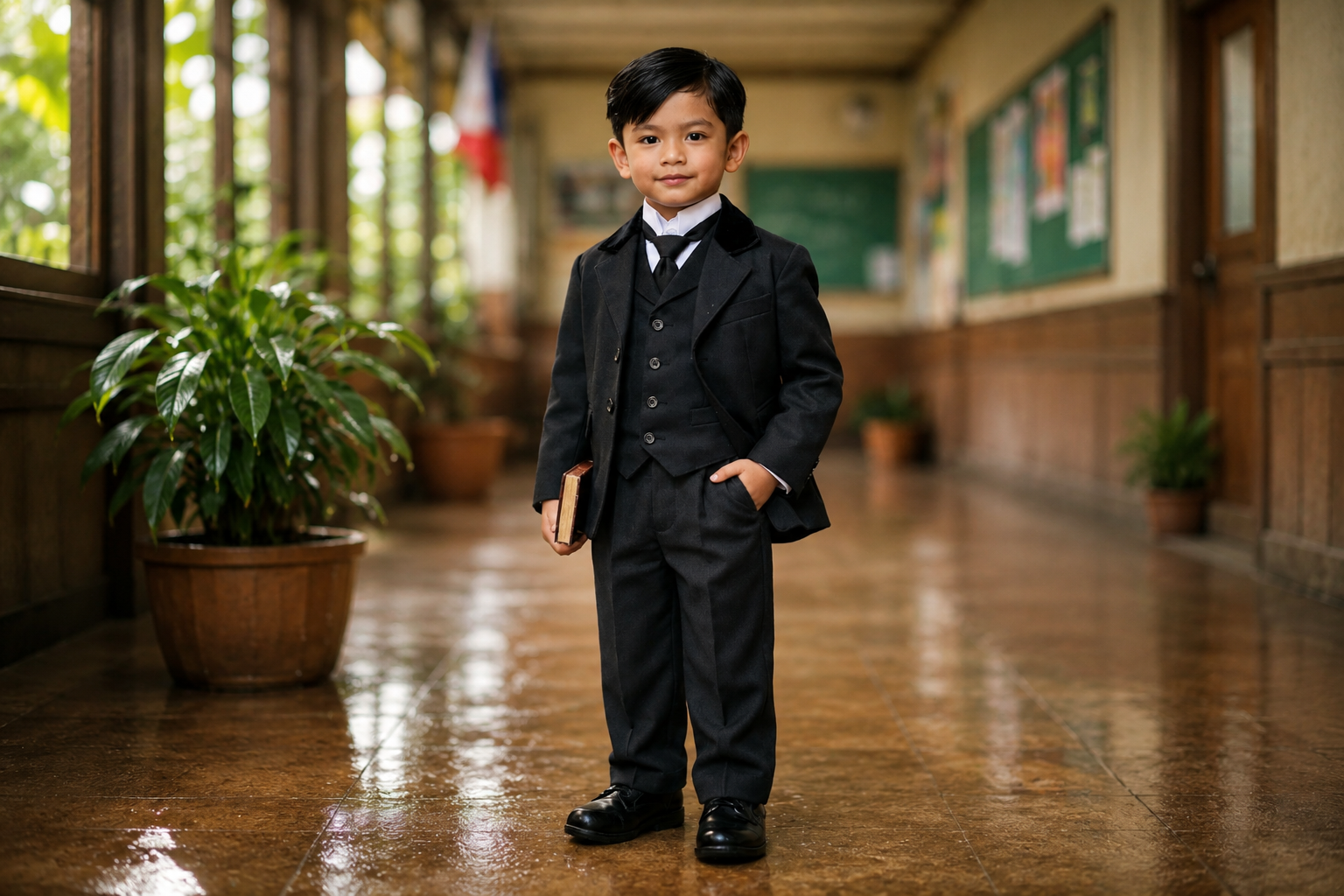
Dressing up as Dr. Jose Rizal, the Philippines' national hero, is an educational and inspiring choice. His contributions to Philippine history through his novels Noli Me Tangere and El Filibusterismo continue to inspire generations of Filipinos.
Fortunately, his outfit is incredibly easy to recreate. A white long-sleeved polo, black trousers, and round eyeglasses are usually enough to capture his signature look. Carrying a small book or notebook symbolizes his love for education and literature.
This costume is especially suitable if your child is assigned to recite one of Rizal's famous quotes or deliver a short speech during school activities.
You'll Need:
White long-sleeved polo
Black pants
Round eyeglasses
Small book
4. Andres Bonifacio
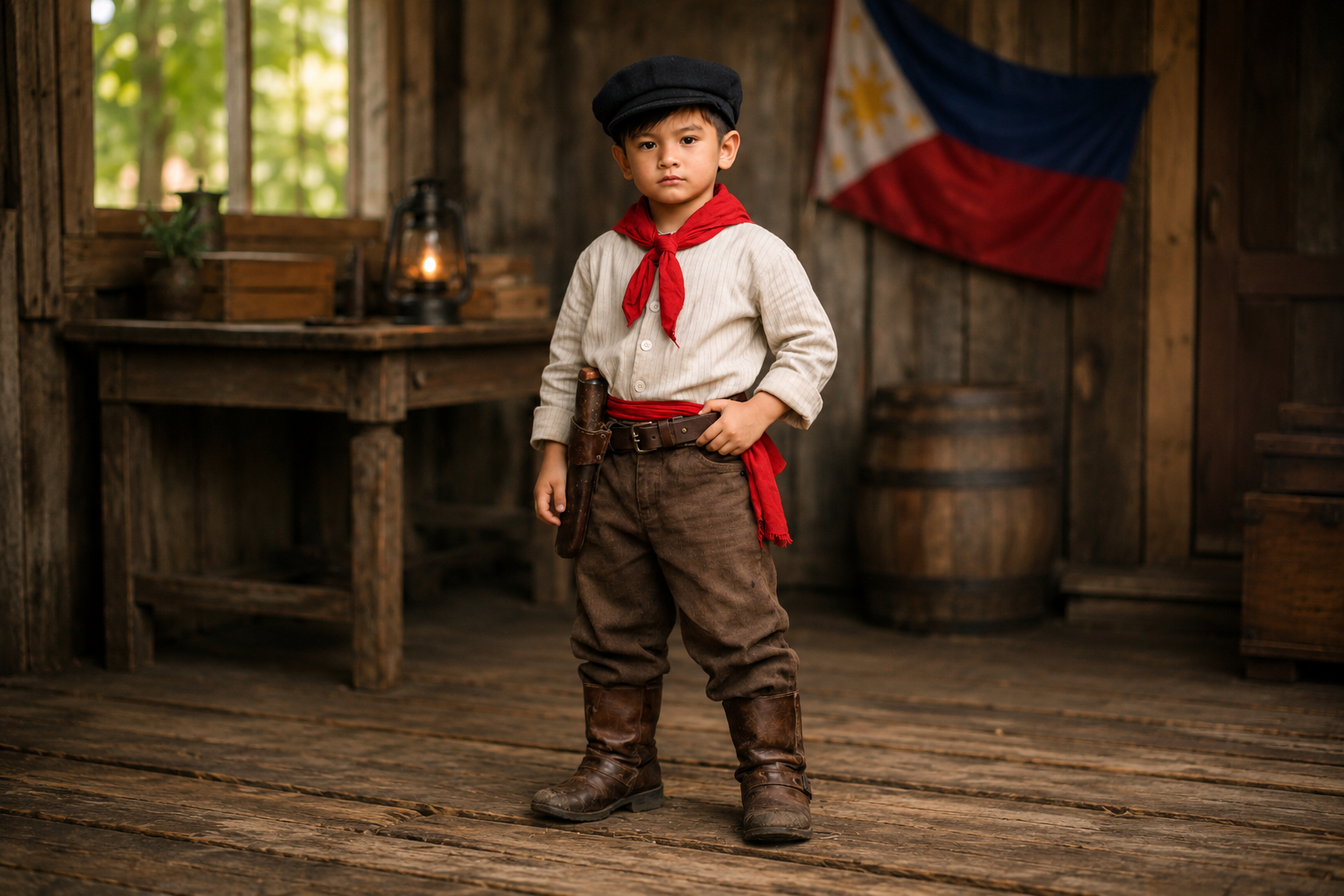
Known as the "Father of the Philippine Revolution," Andres Bonifacio is another excellent costume choice. His simple yet iconic attire reflects the courage and patriotism that inspired Filipinos to fight for independence.
A white polo, black pants, a red scarf tied around the neck, and a cardboard bolo can instantly transform your child into this revolutionary hero. A straw hat can also add authenticity without increasing the cost.
Besides being affordable, this costume offers an opportunity to teach children about bravery, leadership, and love for the country.
You'll Need:
White polo
Black pants
Red scarf
Cardboard bolo
Straw hat (optional)
5. Emilio Aguinaldo
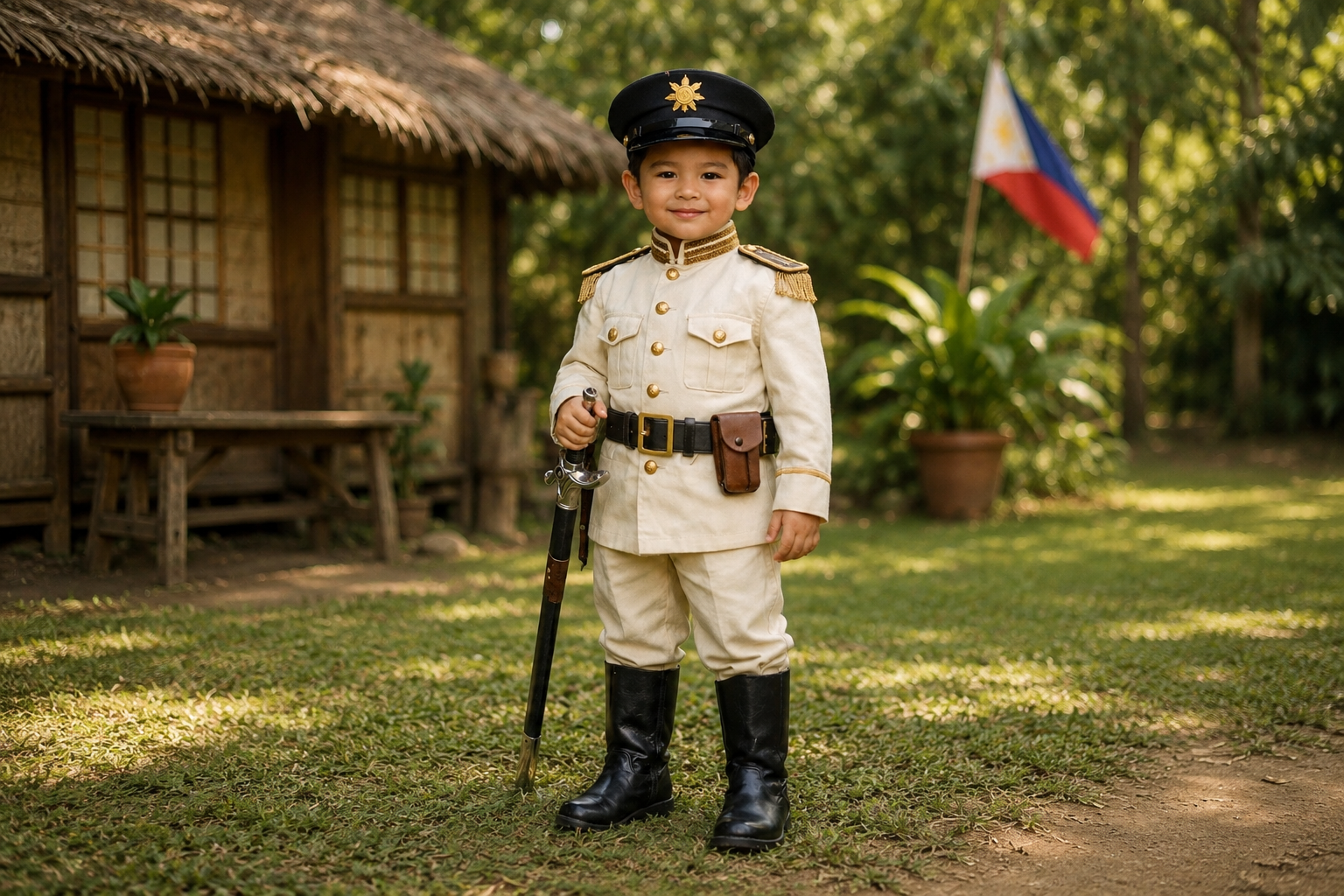
If your child enjoys learning about Philippine history, dressing up as General Emilio Aguinaldo, the country's first President, is a great option.
His formal attire is simple to recreate using a white polo, black trousers, polished shoes, and a small Philippine flag. You can also add a toy medal or ribbon to represent his role as a military leader.
This costume looks sophisticated while requiring very little preparation, making it ideal for busy parents.
You'll Need:
White polo
Black trousers
Black shoes
Philippine flag
6. Maria Clara
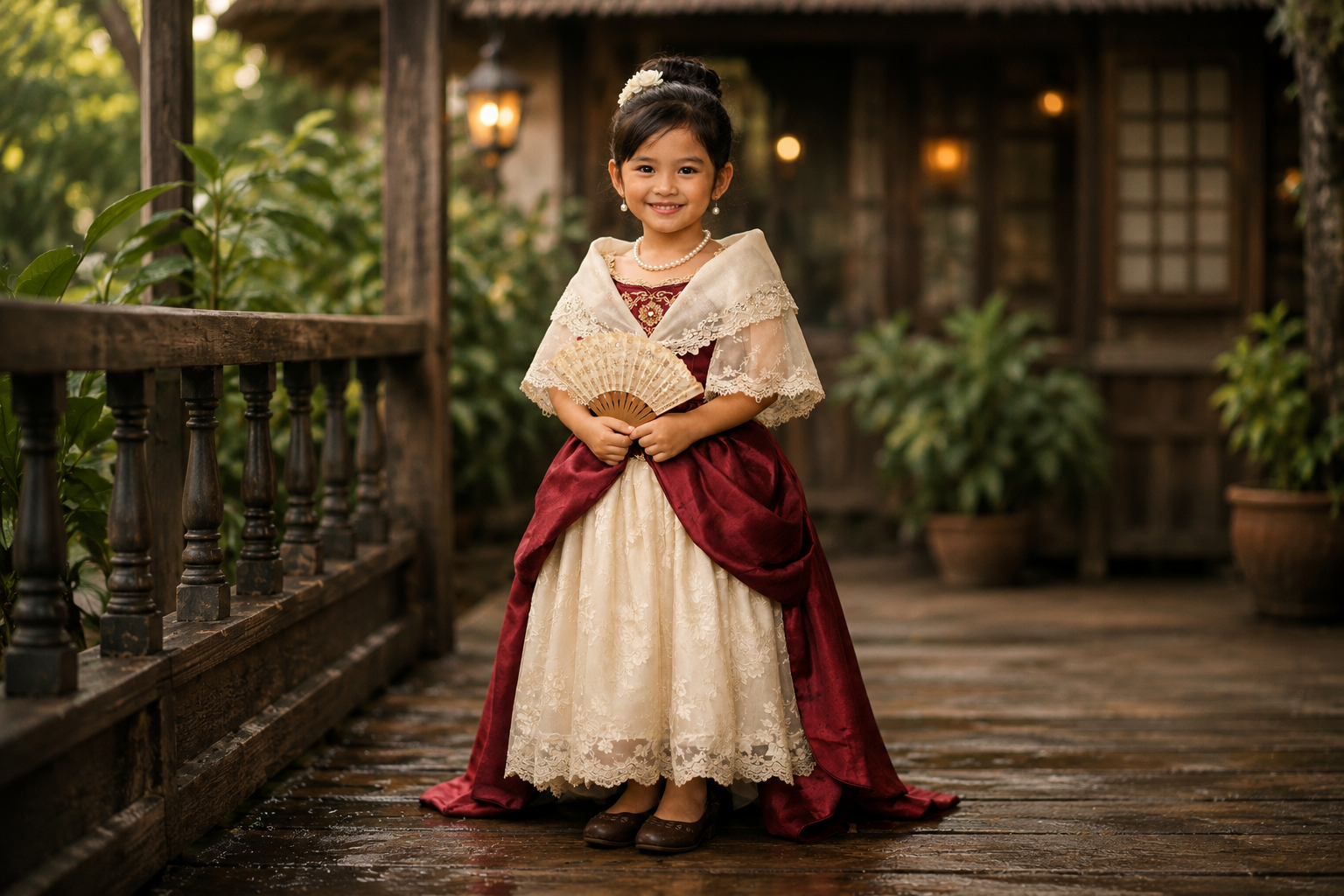
Inspired by Jose Rizal's famous novel, Maria Clara remains one of the most popular Buwan ng Wika costumes for girls. She represents grace, modesty, and traditional Filipina beauty.
Complete the outfit with a Filipiniana dress, elegant hair bun, decorative fan, and simple pearl accessories. Light makeup (if permitted by the school) can also enhance the overall appearance.
This costume is ideal for cultural performances, classroom presentations, and costume competitions.
You'll Need:
Filipiniana dress
Pamaypay
Pearl necklace
Hair bun
7. Sisa
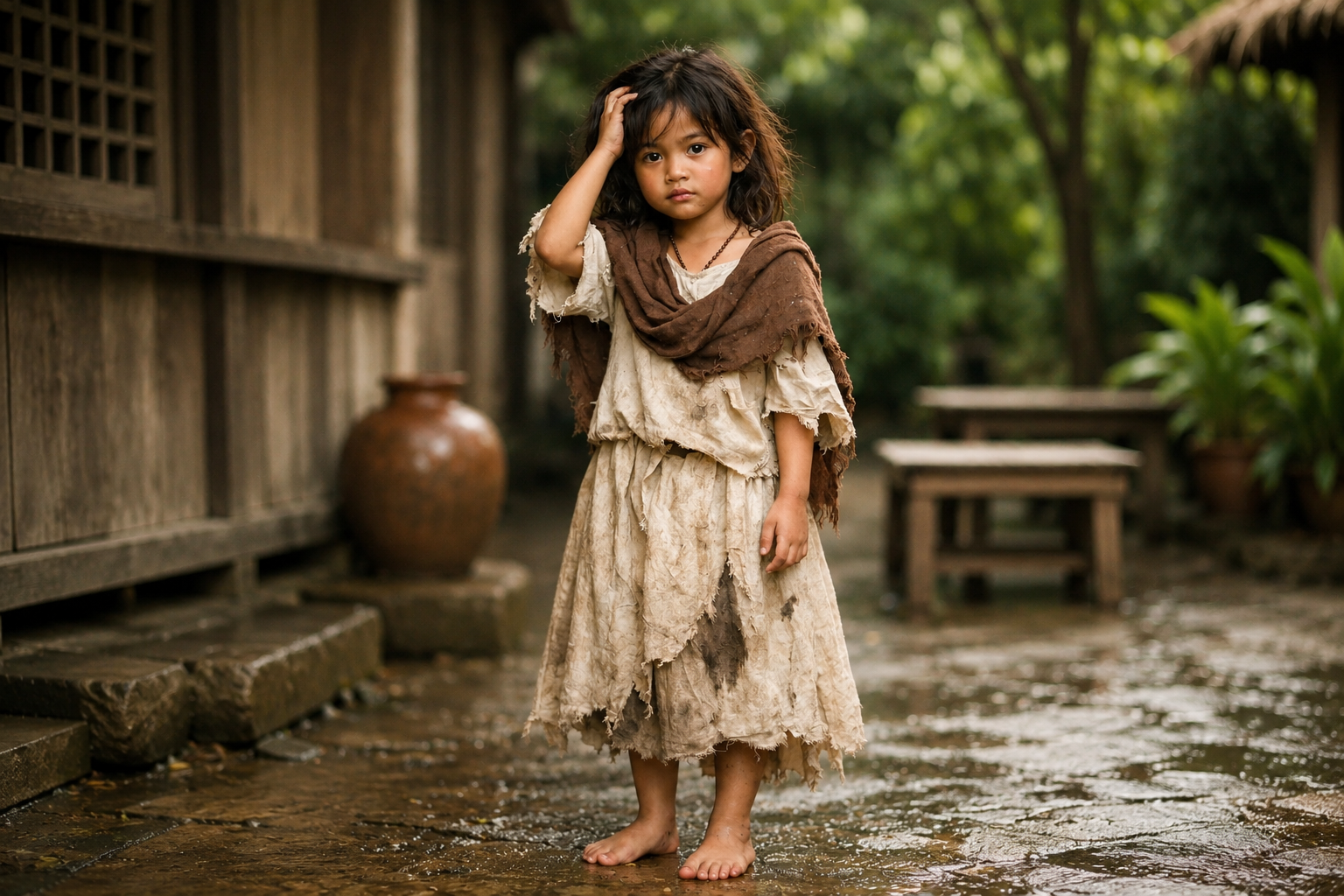
For older children, dressing as Sisa, another memorable character from Noli Me Tangere, can encourage discussions about Philippine literature and history.
Use a simple old dress, loose hair, and minimal accessories to portray the character respectfully. Avoid exaggerated makeup or anything that may appear insensitive, especially for younger children.
Teachers often appreciate literary characters because they encourage reading and historical awareness.
You'll Need:
Old dress
Hair ribbon
Simple slippers
8. Filipino Farmer (Magsasaka)
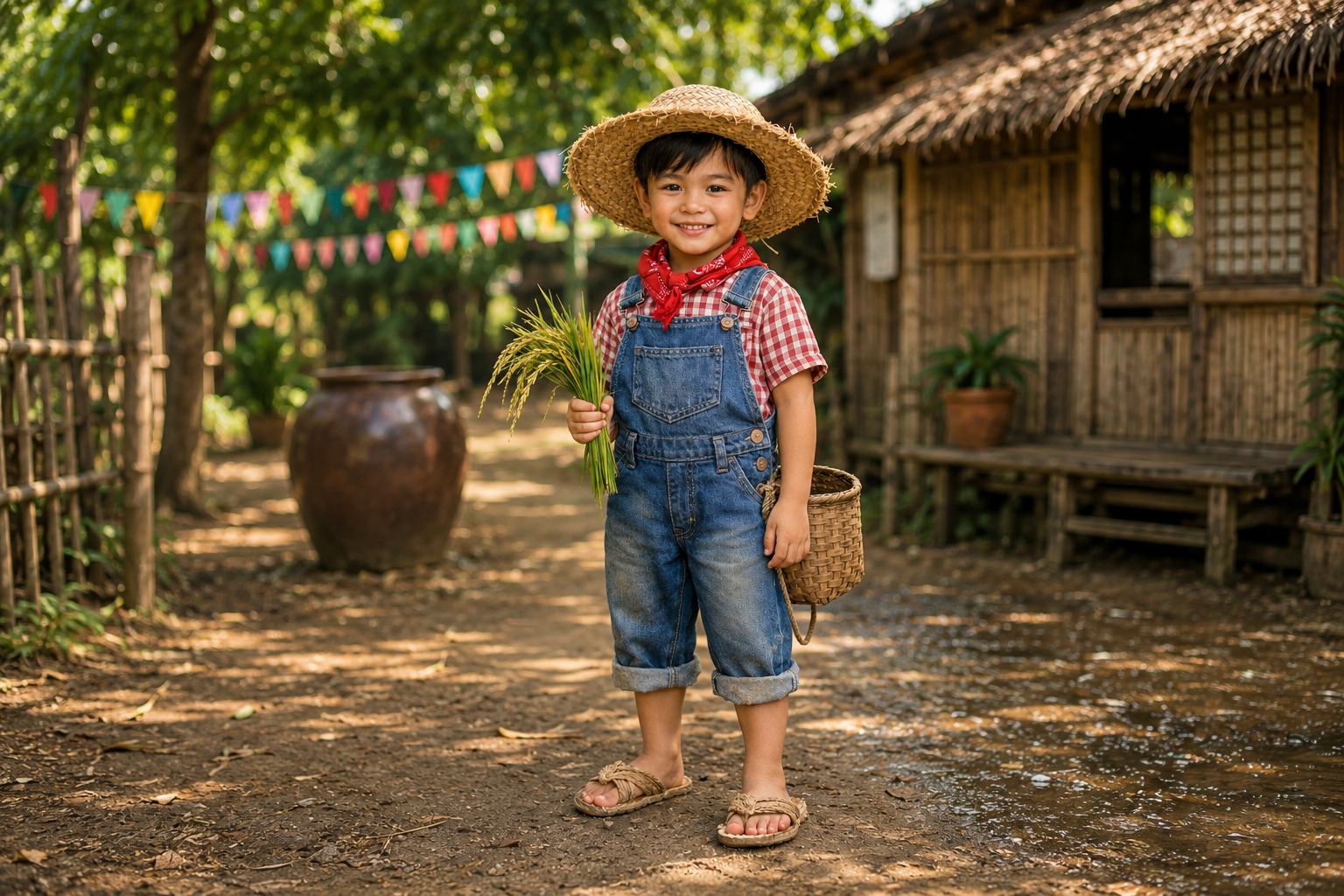
The Filipino farmer costume pays tribute to the hardworking individuals who produce food for the nation. It is one of the easiest and most affordable costumes because most of the items are already available at home.
Dress your child in a plaid polo, jeans or shorts, rubber slippers, and a straw hat. Carrying a basket filled with toy vegetables or fruits instantly completes the look.
This costume teaches children the importance of agriculture and appreciation for Filipino farmers.
You'll Need:
Plaid polo
Shorts or jeans
Straw hat
Basket of vegetables
9. Filipino Fisherman (Mangingisda)
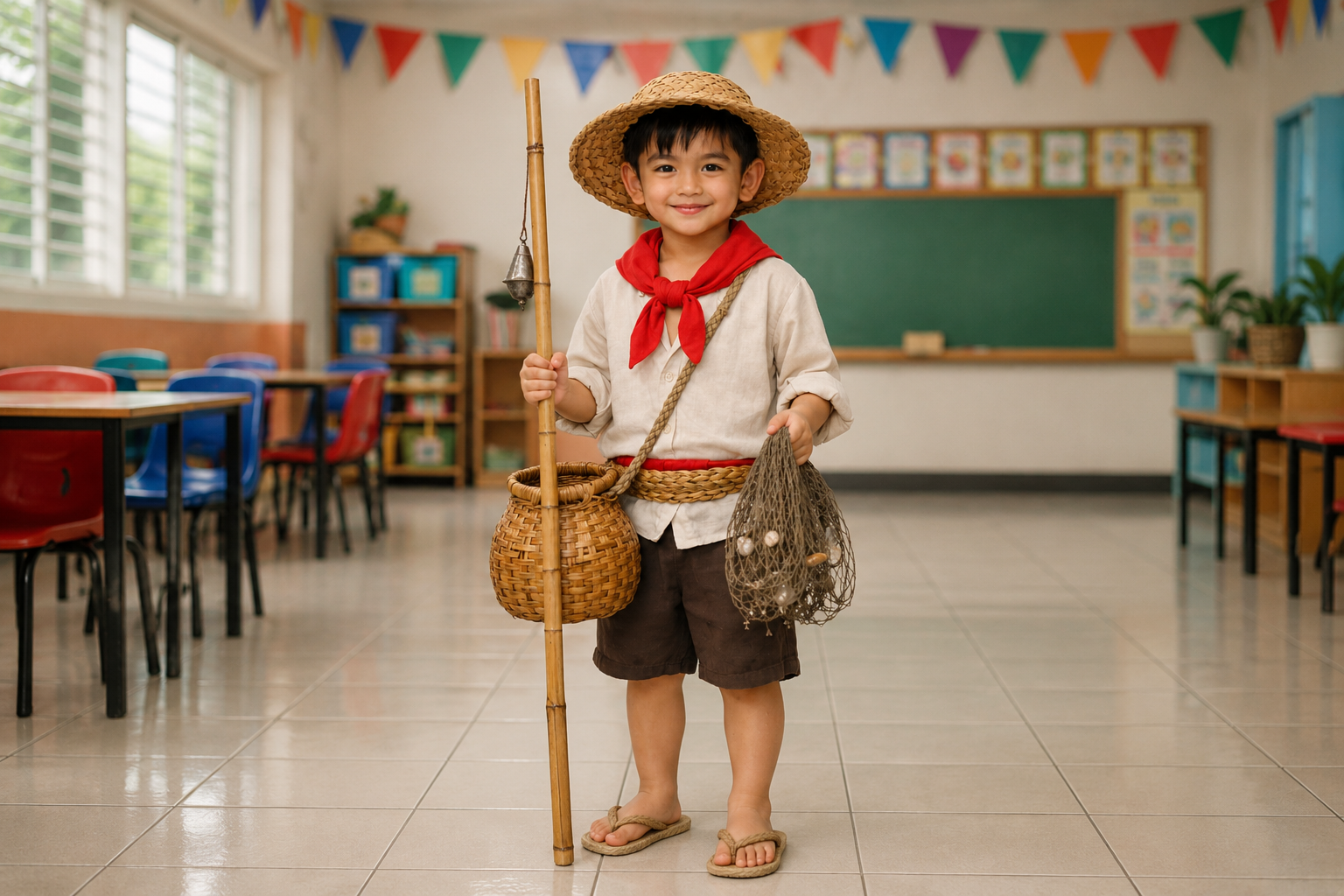
Celebrate the country's rich coastal heritage by dressing your child as a Filipino fisherman. This costume is simple, educational, and fun to prepare.
A plain shirt, shorts, slippers, and a toy fishing net are enough to create an authentic appearance. Add plastic fish inside a basket or bucket for extra realism.
Children enjoy pretending to catch fish while learning about one of the country's oldest livelihoods.
You'll Need:
White shirt
Shorts
Fishing net
Plastic fish
Basket
10. Taho Vendor
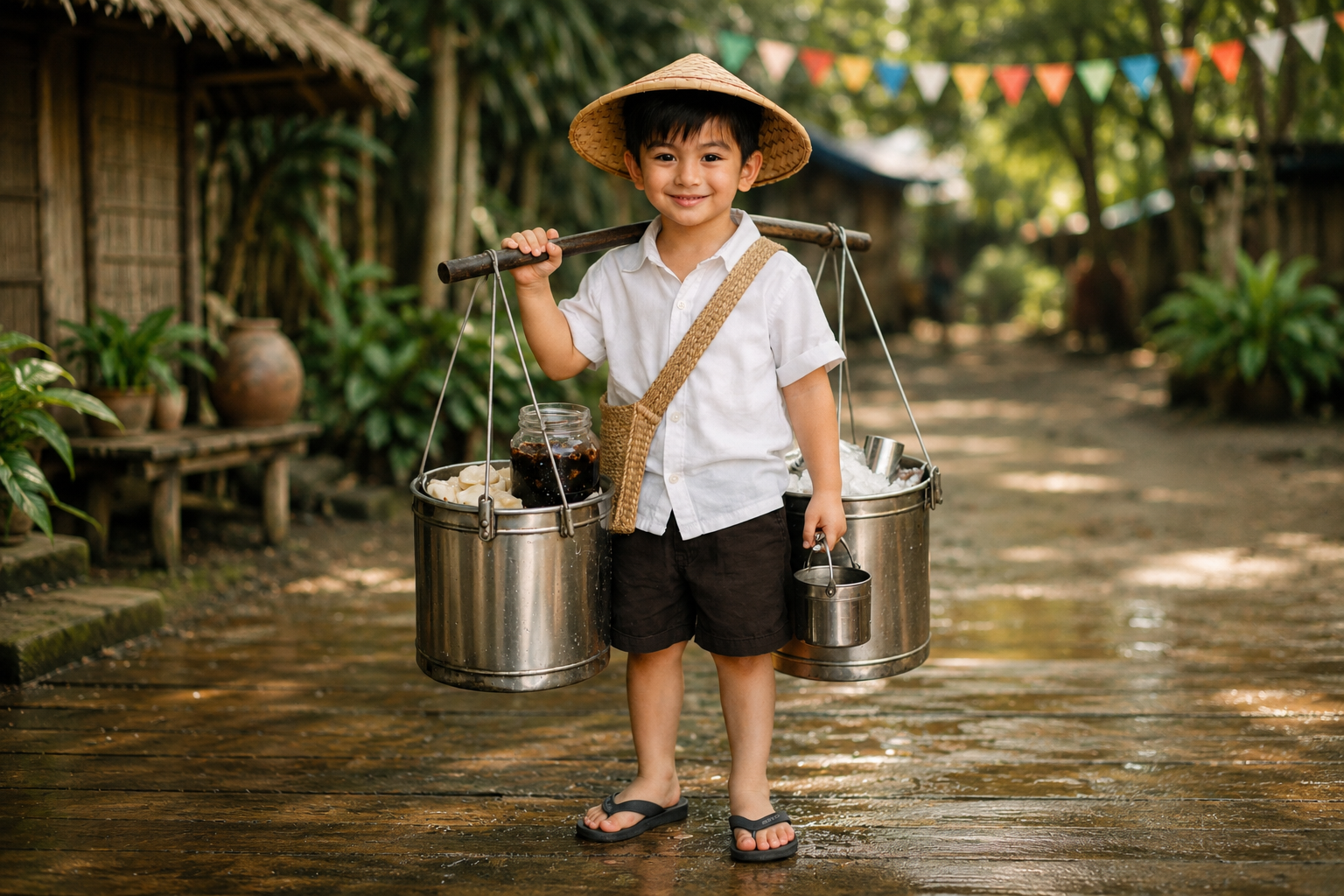
The friendly Taho vendor is one of the most beloved street vendors in the Philippines. Kids especially enjoy this costume because they can pretend to sell taho while walking around school.
Use two lightweight plastic pails connected by a stick or cardboard pole to imitate the traditional taho containers. Add plastic cups and toy spoons to complete the setup.
This costume is interactive, recognizable, and often becomes a crowd favorite.
You'll Need:
Plain shirt
Shorts
Plastic pails
Plastic cups
Cardboard carrying pole
11. Sorbetero
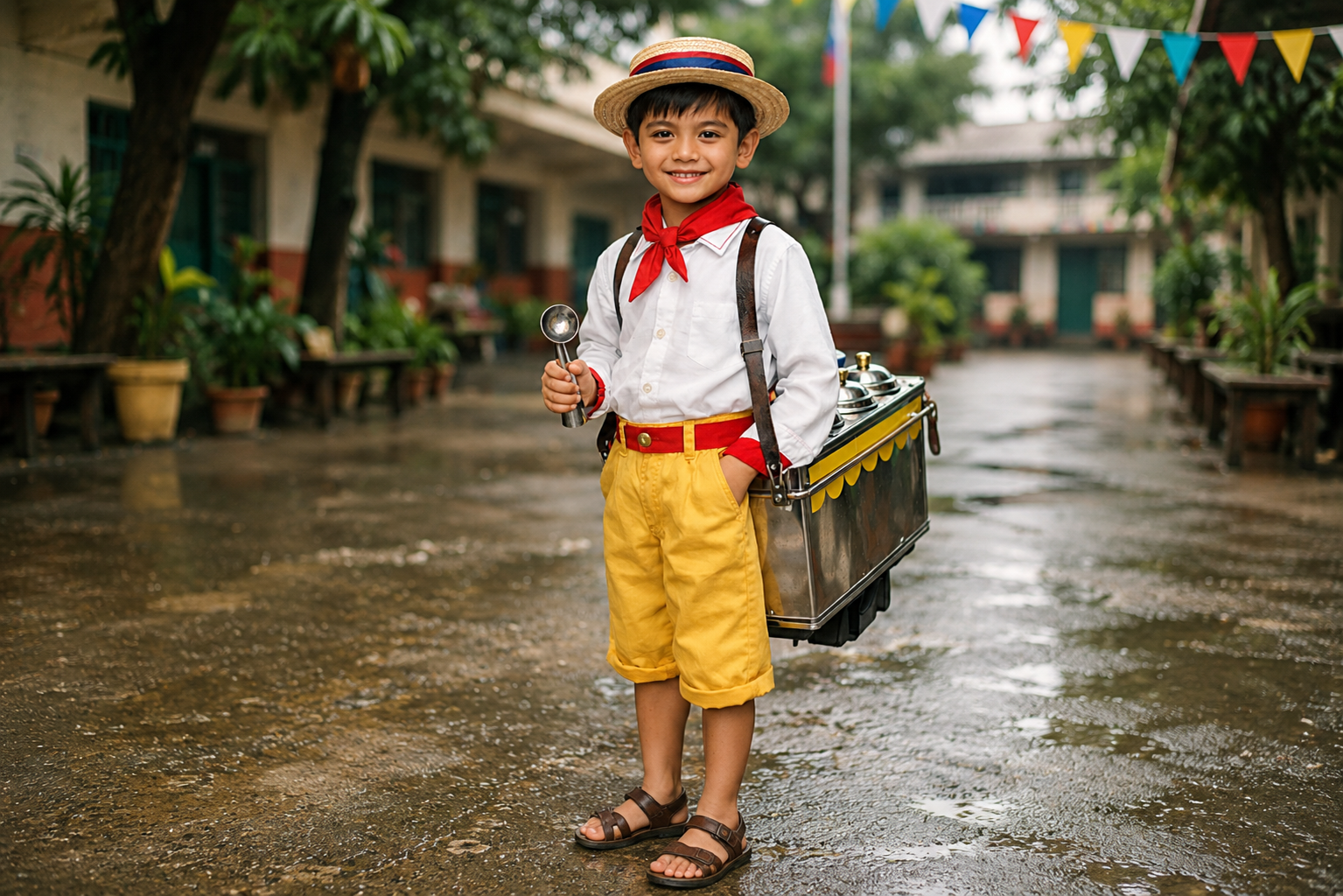
The Sorbetero, or Filipino ice cream vendor, is another nostalgic costume idea that celebrates Filipino street food culture.
Your child can wear an apron, cap, and carry a small cardboard ice cream cart decorated with colorful paper ice cream cones. Because the cart is made from recycled cardboard, it's inexpensive while looking impressive.
This costume is ideal for younger children who love colorful and playful outfits.
You'll Need:
Apron
Cap
Cardboard ice cream cart
Paper ice cream cones
12. Sampaguita Vendor
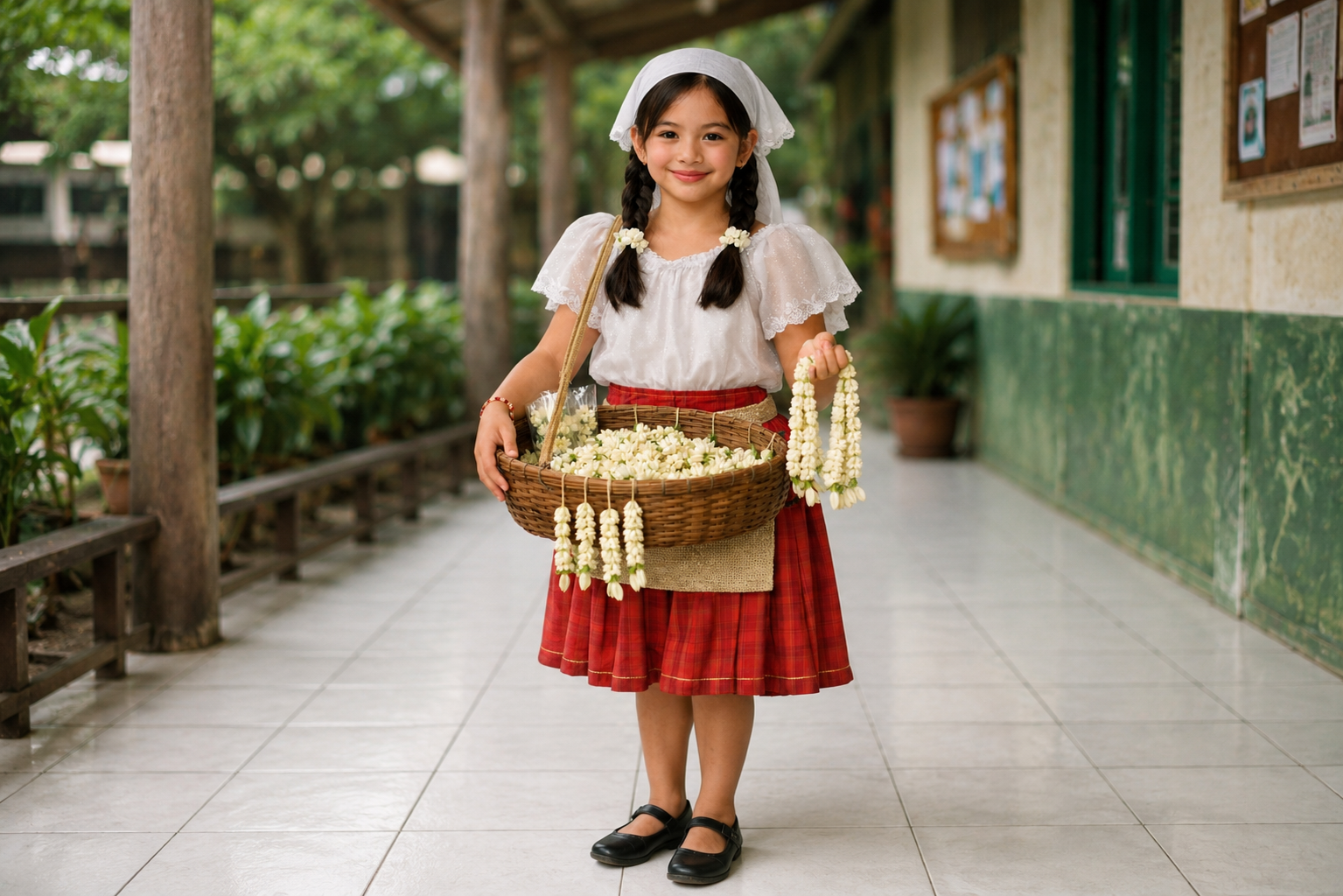
A Sampaguita vendor costume is charming, elegant, and incredibly affordable. Since Sampaguita is the national flower of the Philippines, this costume also highlights an important cultural symbol.
Dress your child in a simple white dress or blouse, carry a small basket filled with artificial Sampaguita garlands, and add slippers for a realistic touch.
Despite its simplicity, this costume beautifully represents Filipino traditions.
You'll Need:
White dress or blouse
Basket
Artificial Sampaguita flowers
13. Jeepney Driver
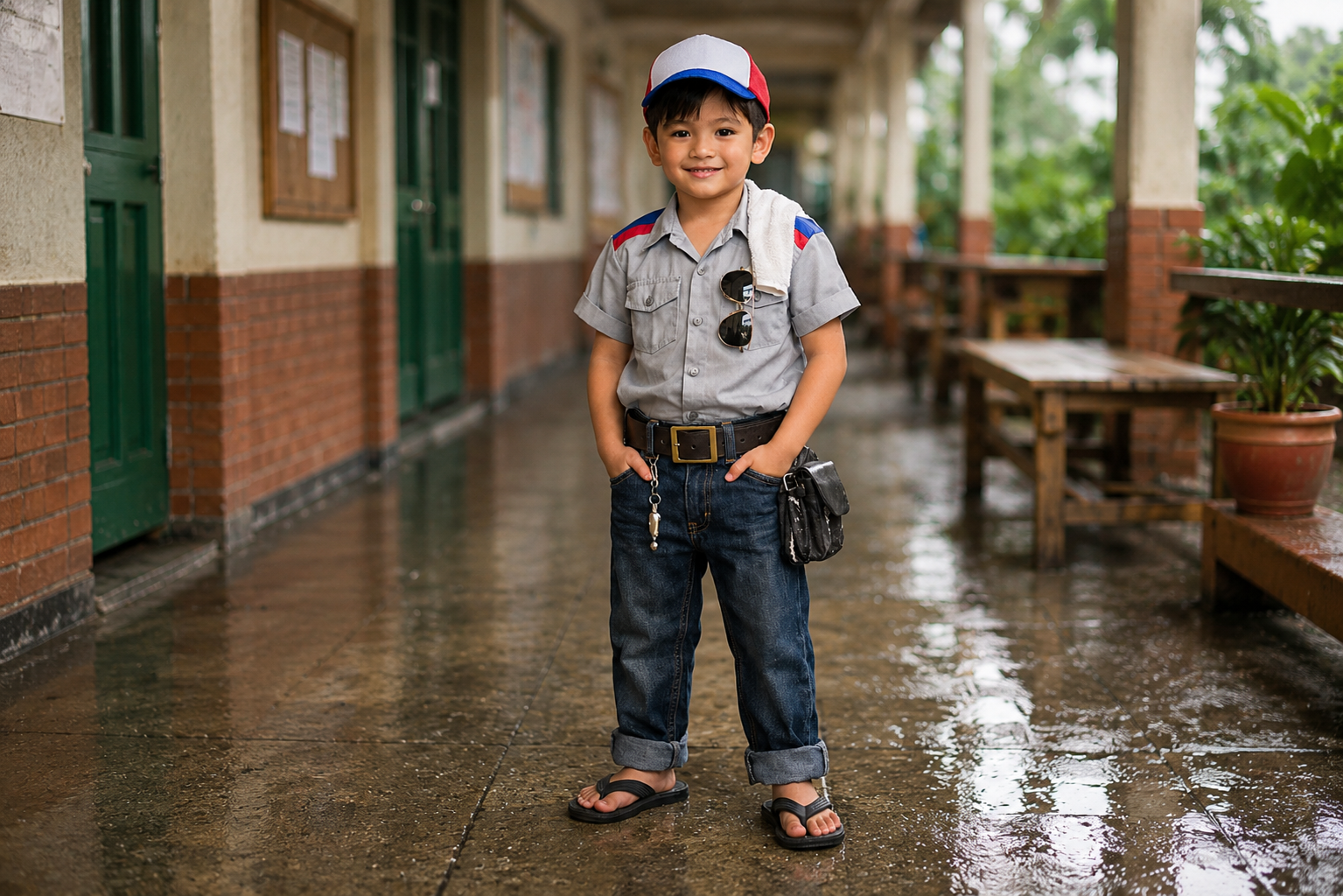
The Jeepney driver represents one of the Philippines' most iconic modes of transportation. It's a unique costume that allows parents to get creative with recycled materials.
Dress your child in a collared shirt, jeans, cap, and towel draped over the shoulder. Add a cardboard steering wheel or a miniature cardboard jeepney for extra impact.
This costume is fun, interactive, and often stands out because it celebrates everyday Filipino life.
You'll Need:
Polo shirt
Jeans
Cap
Cardboard steering wheel
14. Bahay Kubo Farmer
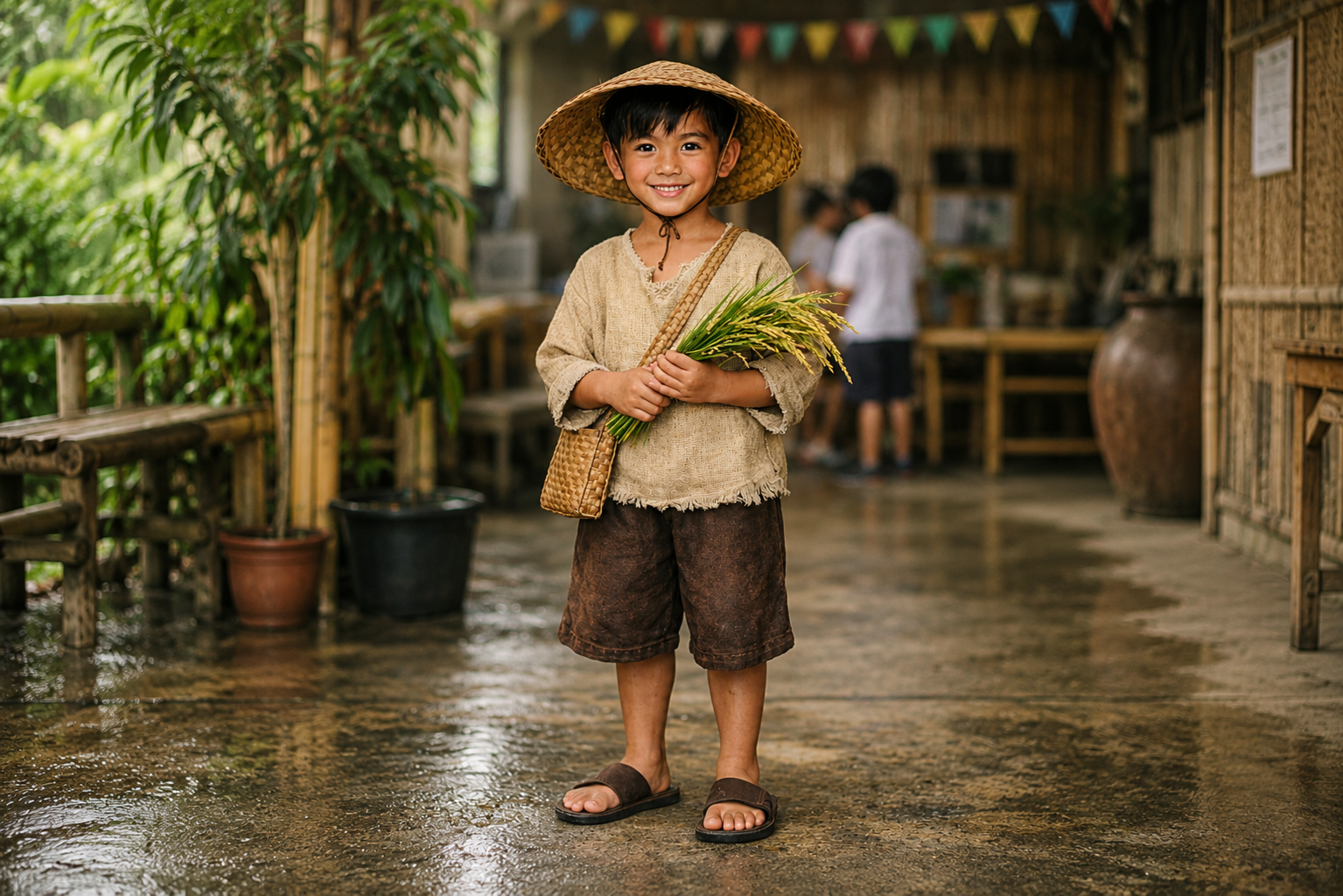
Inspired by the traditional Filipino countryside, the Bahay Kubo Farmer costume celebrates rural living and sustainable farming.
Pair a plaid shirt with shorts or jeans, a straw hat, slippers, and a woven basket filled with vegetables. Toy gardening tools or a small watering can make the costume even more realistic.
This costume is particularly popular among preschool and elementary students because it's comfortable and easy to wear throughout the day.
You'll Need:
Plaid shirt
Straw hat
Basket
Toy vegetables
15. Filipino Street Food Vendor

One of the most creative and crowd-pleasing costumes is a Filipino Street Food Vendor. Filipino street food is famous for its variety, making this costume colorful, interactive, and highly recognizable.
Create a cardboard food tray filled with pretend fish balls, kwek-kwek, banana cue, turon, isaw, and other popular street foods made from paper, felt, or recycled materials. Add an apron, cap, and toy tongs to complete the look.
Children love pretending to serve customers, making this costume both entertaining and educational while celebrating Filipino food culture.
You'll Need:
Apron
Cap
Cardboard food tray
Paper street foods
Toy tongs
DIY Tips for Busy Parents
If you're short on time, these tricks can save hours:
Shop Your Closet First
Before buying anything, check your existing clothes. White polos, plaid shirts, hats, baskets, scarves, and slippers can become the foundation of many costumes.
Borrow from Family
Traditional attire like Barong Tagalog or Filipiniana dresses are often available from grandparents, cousins, or neighbors.
Use Cardboard Creatively
Old delivery boxes can easily become:
Jeepneys
Street vendor carts
Books
Signboards
Hats
Farming tools
Keep Comfort in Mind
Remember that children may wear their costumes for several hours. Choose breathable fabrics, lightweight accessories, and comfortable shoes.
Frequently Asked Questions
What is the easiest Buwan ng Wika costume?
Traditional Filipino clothing like a Barong Tagalog, Filipiniana dress, or a Filipino farmer costume are among the easiest because many pieces may already be available at home.
How can I make a cheap Buwan ng Wika costume?
Use clothing from your closet, borrow traditional attire from relatives, or create accessories using cardboard, recycled materials, baskets, and paper crafts.
What are good Buwan ng Wika costumes for preschoolers?
Popular options include:
Sampaguita vendor
Taho vendor
Sorbetero
Farmer
Fisherman
Maria Clara
These costumes are simple, recognizable, and comfortable for young children.
Are DIY costumes acceptable in school?
Most schools encourage creativity and cultural appreciation over expensive costumes. A well-made DIY outfit often stands out because of its originality.
Final Thoughts
Preparing for Buwan ng Wika doesn't have to be overwhelming. With a little creativity and items you already have at home, you can create a meaningful costume that celebrates Filipino heritage while saving both time and money.
Whether your child chooses to become Jose Rizal, Maria Clara, a Sorbetero, or a Filipino farmer, the goal is not simply to wear a costume—it is to appreciate the rich traditions, history, and culture that make the Philippines unique.
By focusing on simple, practical, and culturally inspired ideas, busy parents can enjoy the celebration alongside their children without the last-minute rush.